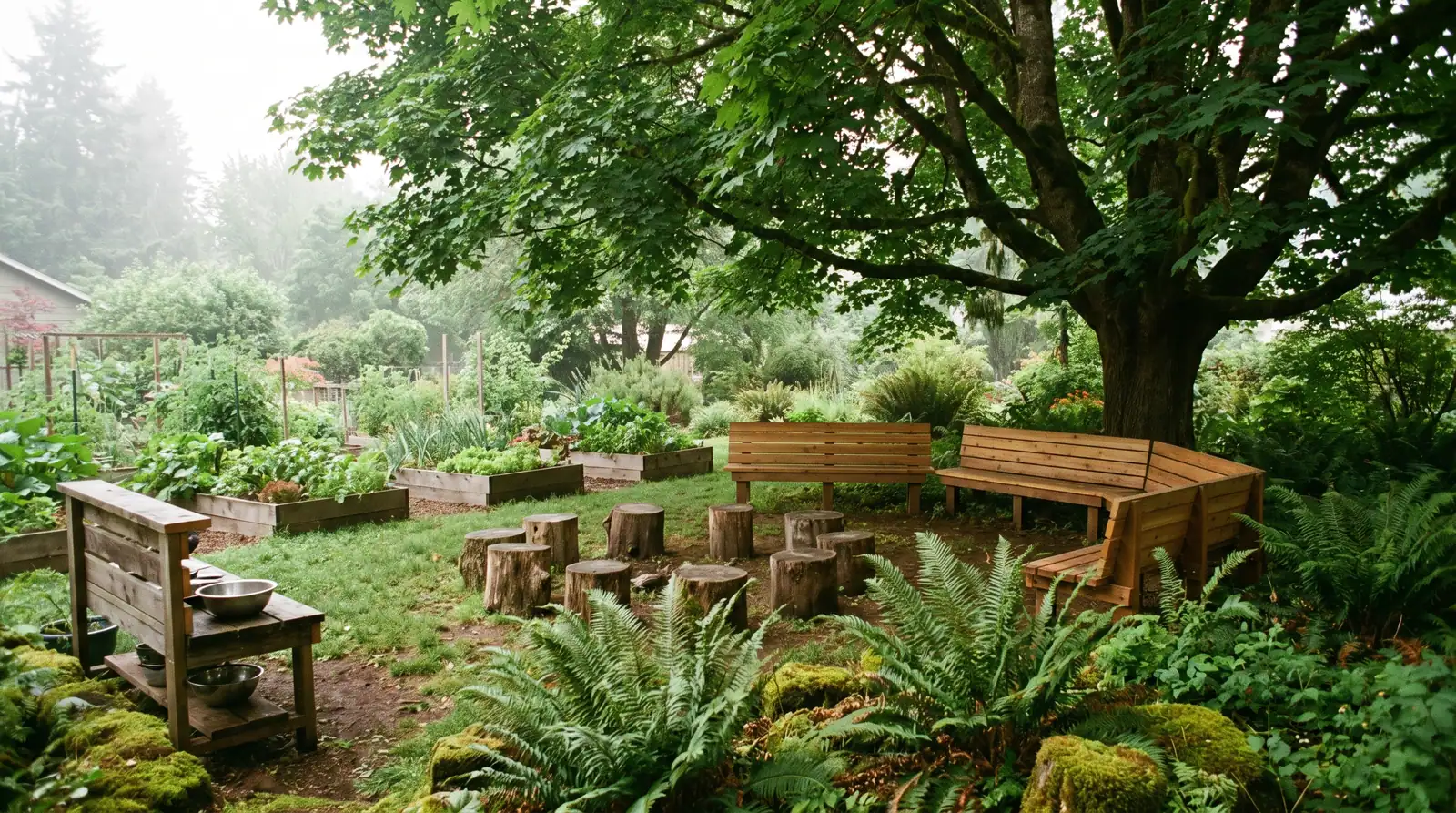
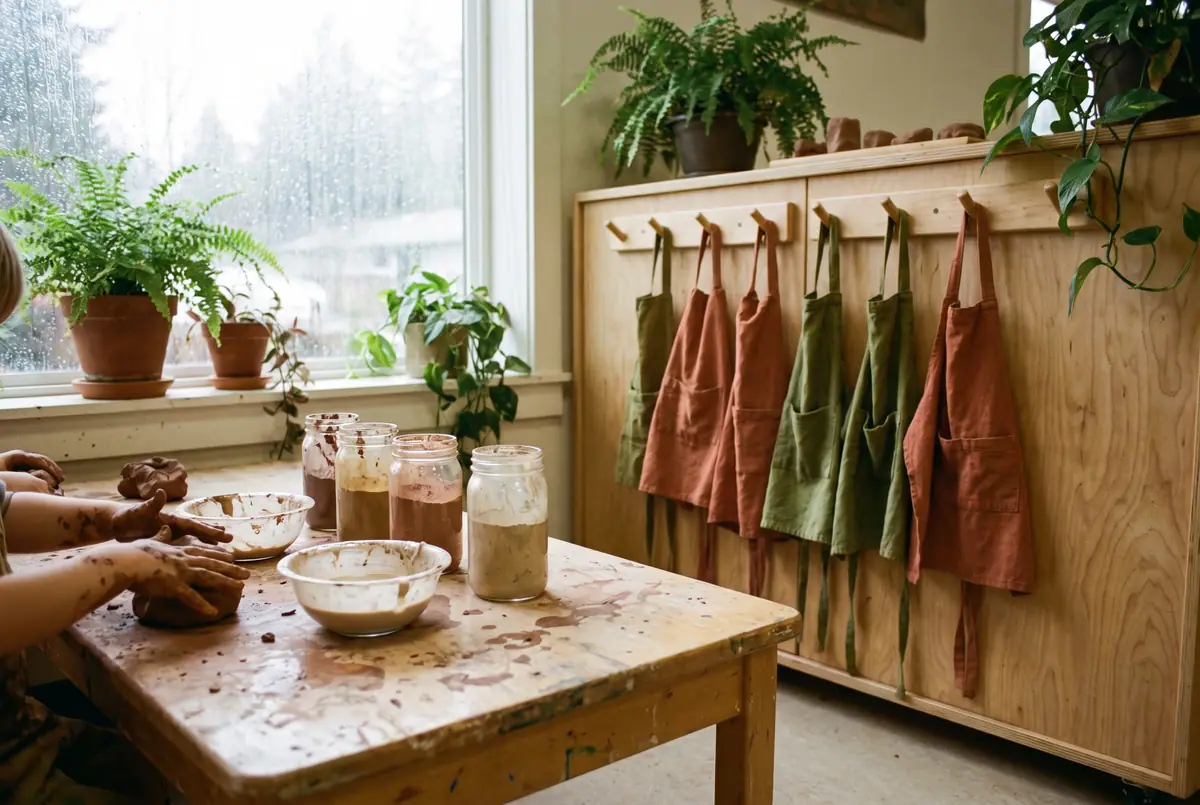
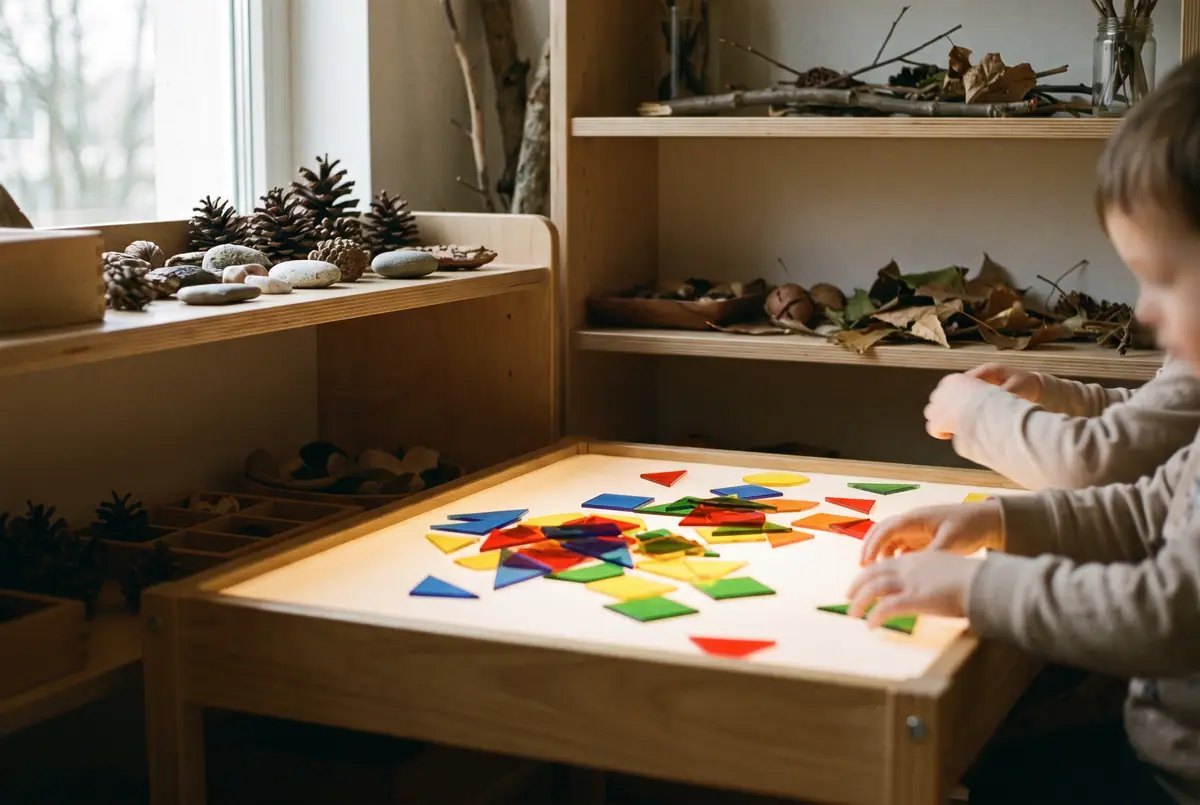
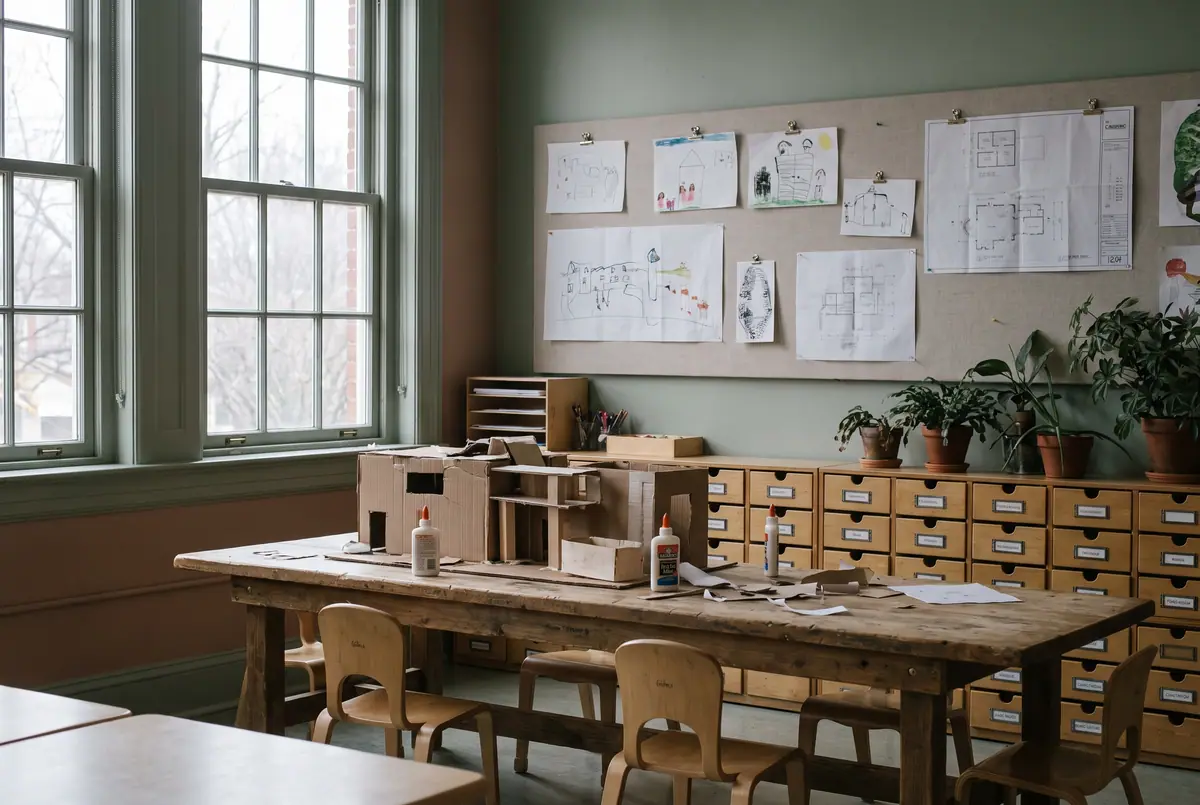

Reggio-inspired schools talk constantly about provocations. Here is what one looks like on a Tuesday morning in the Twos room, and why the word is doing real work rather than decorating a craft table.
If you have toured more than two Reggio-inspired schools you have heard the word "provocation" at least four times, usually gesturing at a table with some leaves on it. It is a word that has been worn smooth, and it is worth putting the edge back on, because the idea underneath it is the single most useful thing we do.
A provocation is a question posed in materials
It is not an activity. An activity has an outcome the adult already knows: here is glue, here is tissue paper, we are making a rainbow. A provocation has no outcome the adult knows. It is an arrangement of materials that asks something, and the answer is genuinely unknown until a child gives it.
Last Tuesday the Twos room found a shallow tray of water, three sizes of stone, and a jug. Nothing was said. That is a question — what happens when this meets this — and eight two-year-olds spent fifty minutes answering it in eight different ways, one of which involved a great deal of floor.
Where it comes from
A good provocation is never planned a term ahead. It is planned the afternoon before, from what educators noticed that day. On the Monday, Sam had written down that two children kept carrying stones to the water tray and being asked to stop. On the Tuesday, the stones and the water were on the same table. That is the whole method.
The adult does not know what will happen. If the adult knows what will happen, it is a craft.
What makes one work
- It is open. There is no correct arrangement and no finished state, so there is nothing to get wrong.
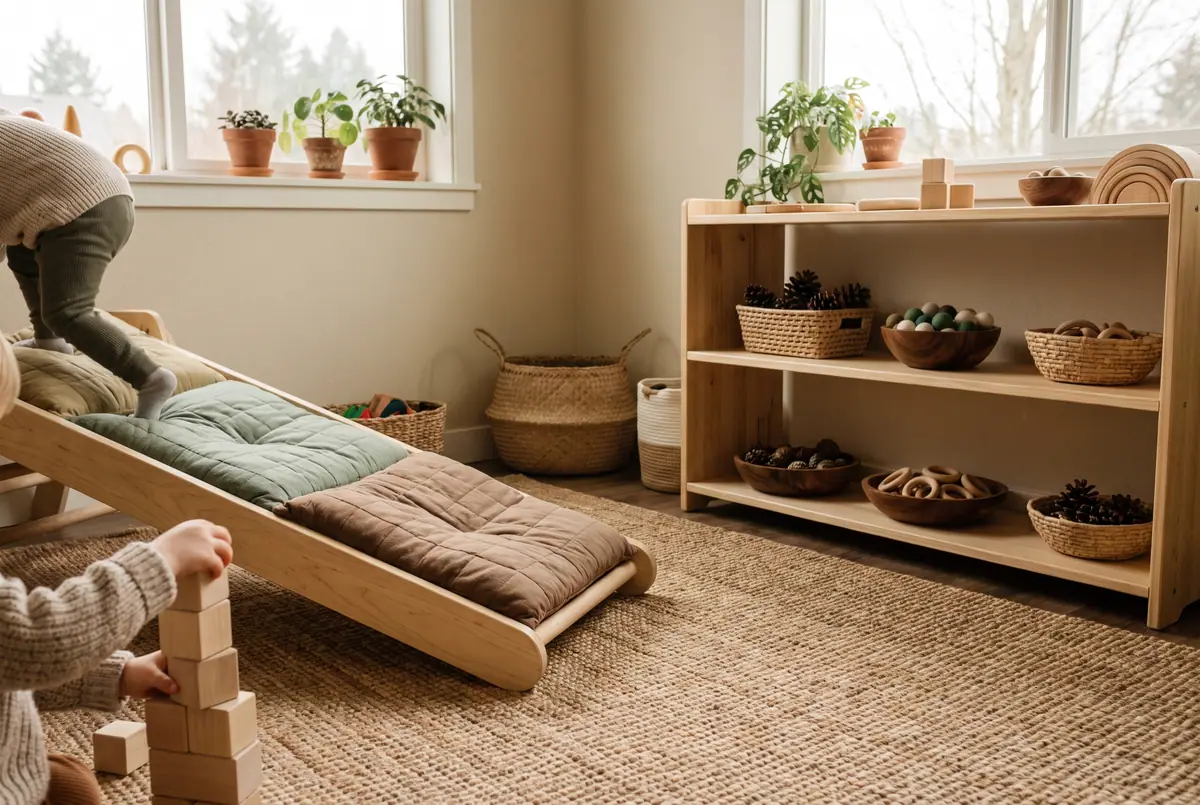
- It is beautiful. Materials are presented with care — in glass, in wood, in order — because how something is offered tells a child how seriously it is meant.
- It is small. Three materials, not thirty. A crowded table is noise.
- It is ignorable. Children walk past it and do something else, and that is a legitimate answer. A provocation nobody is allowed to refuse is an activity wearing a costume.
What happens afterwards
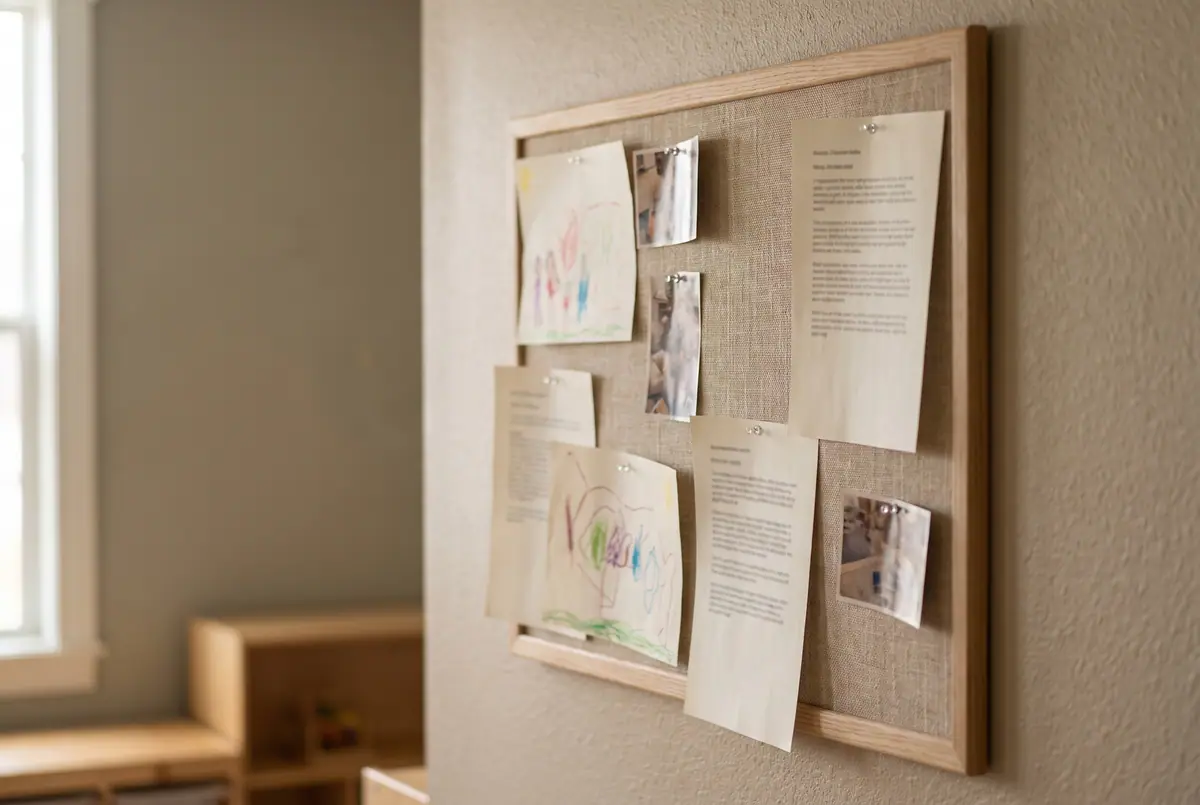
The educator photographs, transcribes what children actually said, and writes it up. Some of that goes on the wall as documentation, at child height as well as adult height, so children can revisit their own thinking and argue with it. Most of it goes into the next day's provocation.
That loop — notice, offer, document, notice again — is the difference between a Reggio-inspired classroom and a classroom with nice wooden toys in it. The wooden toys are the easy part.