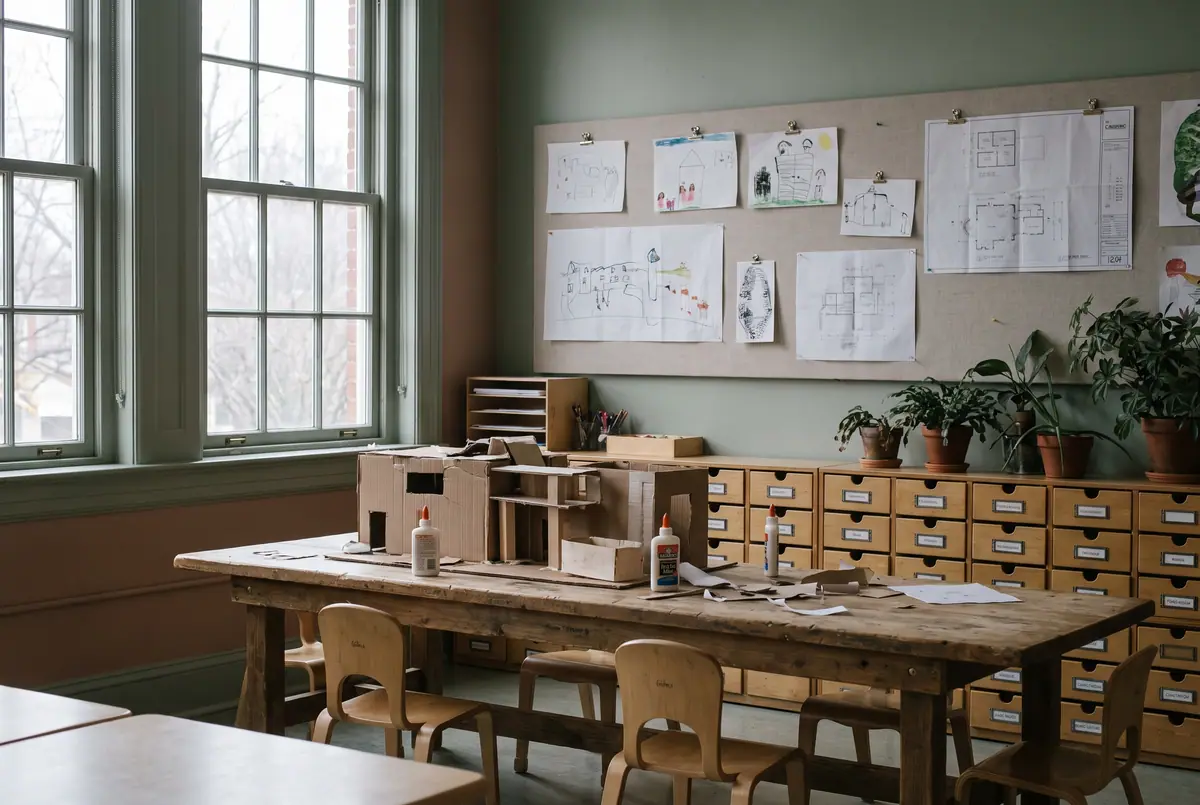
Reggio-inspired — and specific about what that means
Reggio Emilia is a city in northern Italy with a public system of infant-toddler centres and preschools. Nobody outside it is a Reggio school. Here is what we actually take from it, and what we do not.
The Reggio Emilia approach grew out of a specific place and a specific history: parents in the villages around Reggio Emilia building schools out of the rubble after the Second World War, and Loris Malaguzzi spending forty years working out what those schools should be. It is a municipal system, publicly funded, still running, still changing.
It is also not a method you can buy, certify in, or franchise. There is no Reggio curriculum and no Reggio material set. What there is instead is a set of principles and an enormous body of documented practice — which is why honest schools outside Italy sayinspired, and why we do.
What follows is what we take seriously, adapted to a rented building in Southeast Portland with Oregon licensing rules and about sixty children in it.
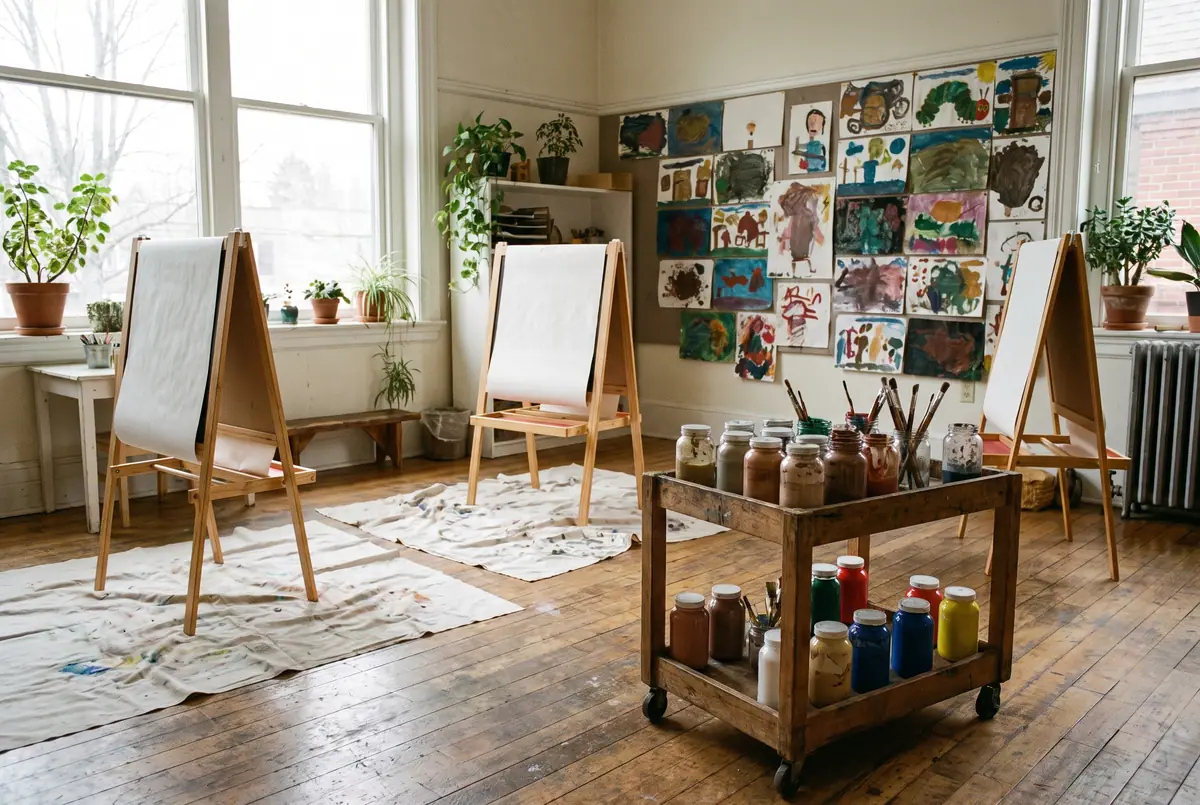
Six things we actually run on
- 01
The child is capable
Not a vessel to fill, and not fragile. Children here are assumed to be able to have a theory, hold it against evidence, disagree with an adult and use a real tool. Almost everything else in this list follows from that one assumption.
- 02
The environment is the third teacher
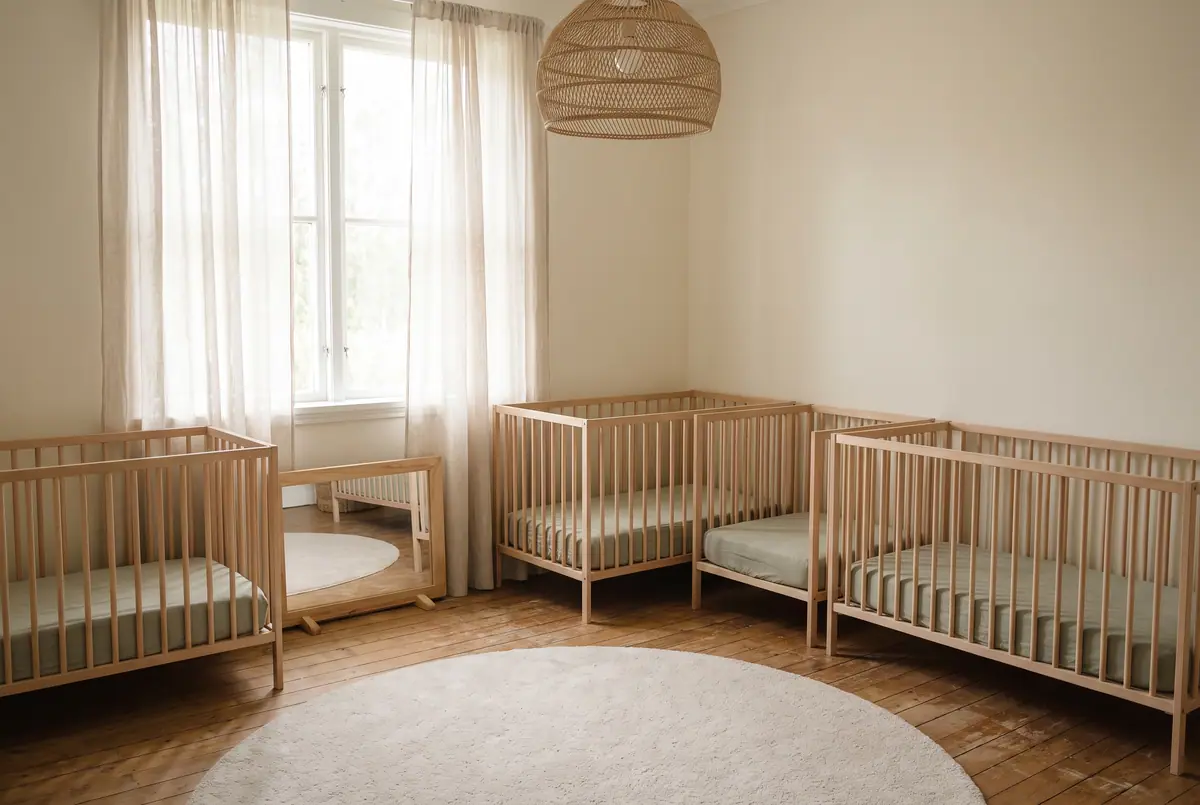
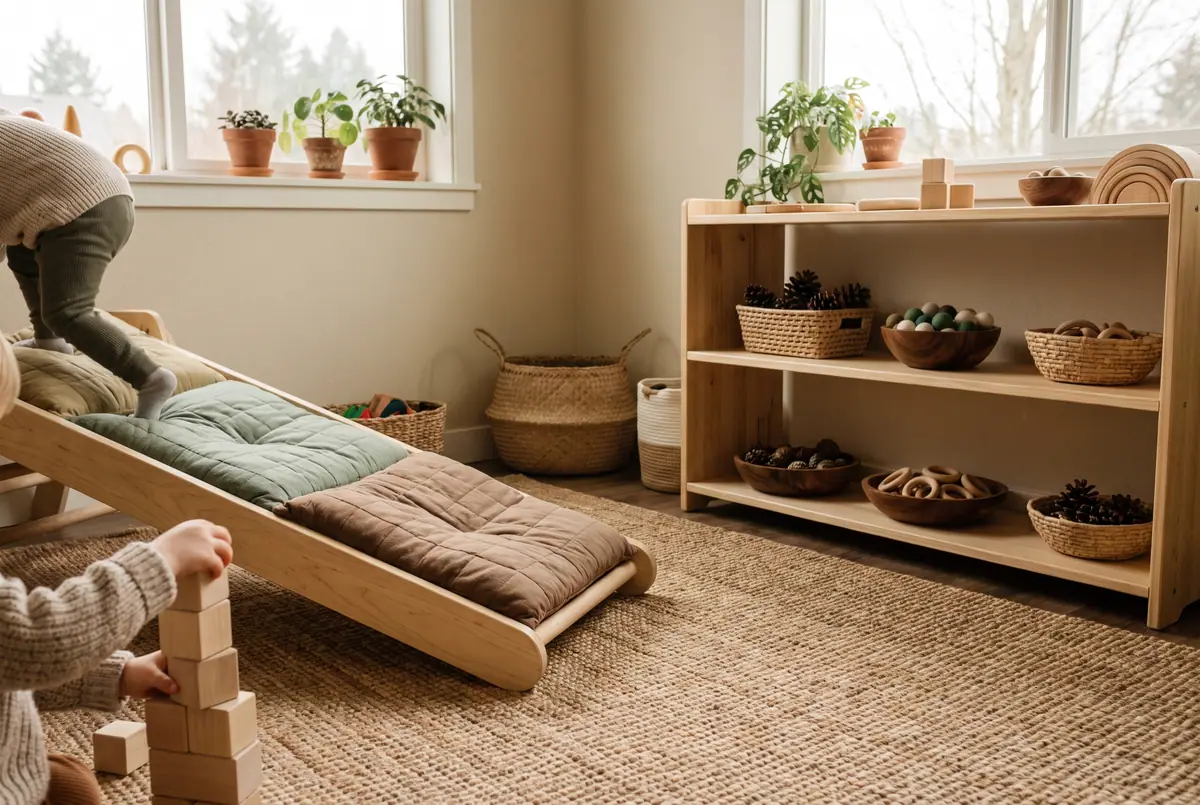
After the educators and the other children. Rooms are unhurried, low, natural and largely uncluttered, with real daylight and real materials. What is on the shelf is a curriculum decision, and what is not on the shelf is a bigger one.
- 03
A hundred languages
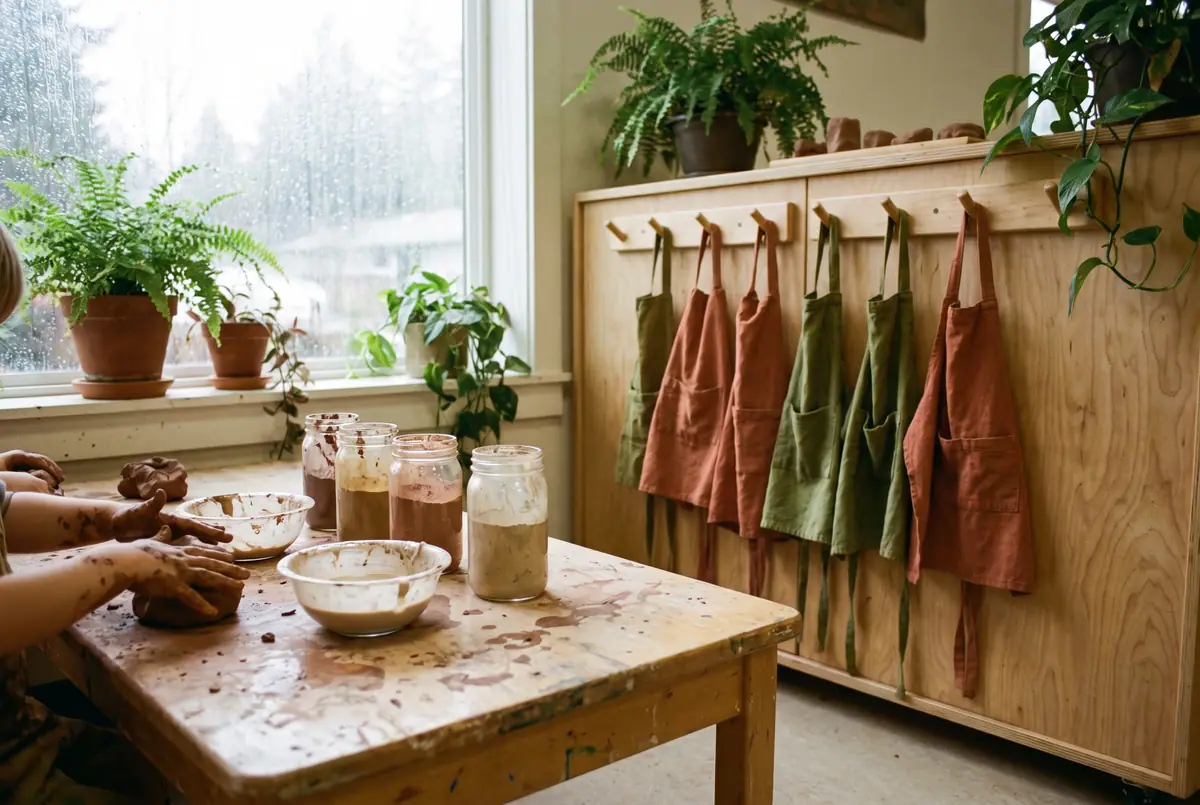
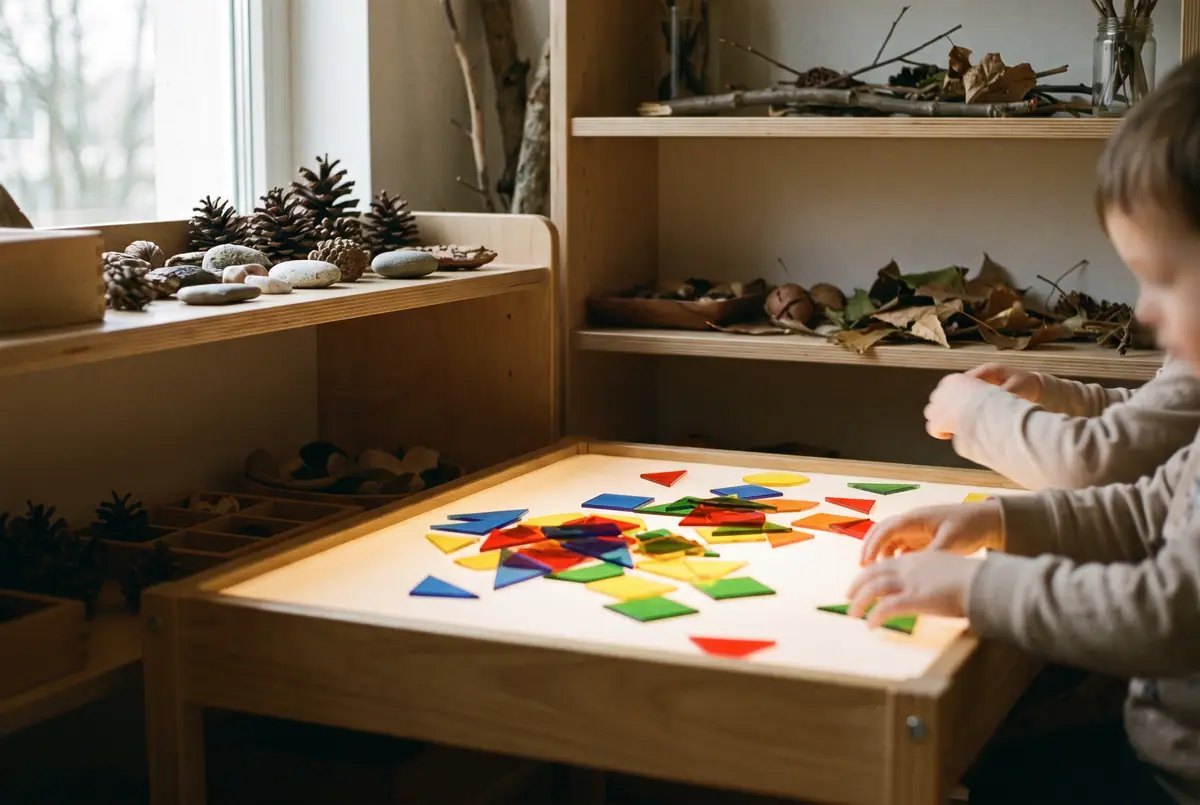
Children think in clay, wire, drawing, light, movement and argument, not only in words. The atelier exists so that a child who cannot yet explain something in a sentence can explain it in a structure.
- 04
Projects, not themes
Work follows a real question the children raised and runs for as long as it holds — a fortnight, or a term. Nothing is themed by month, and no project has a predetermined outcome.
- 05
Documentation makes thinking visible
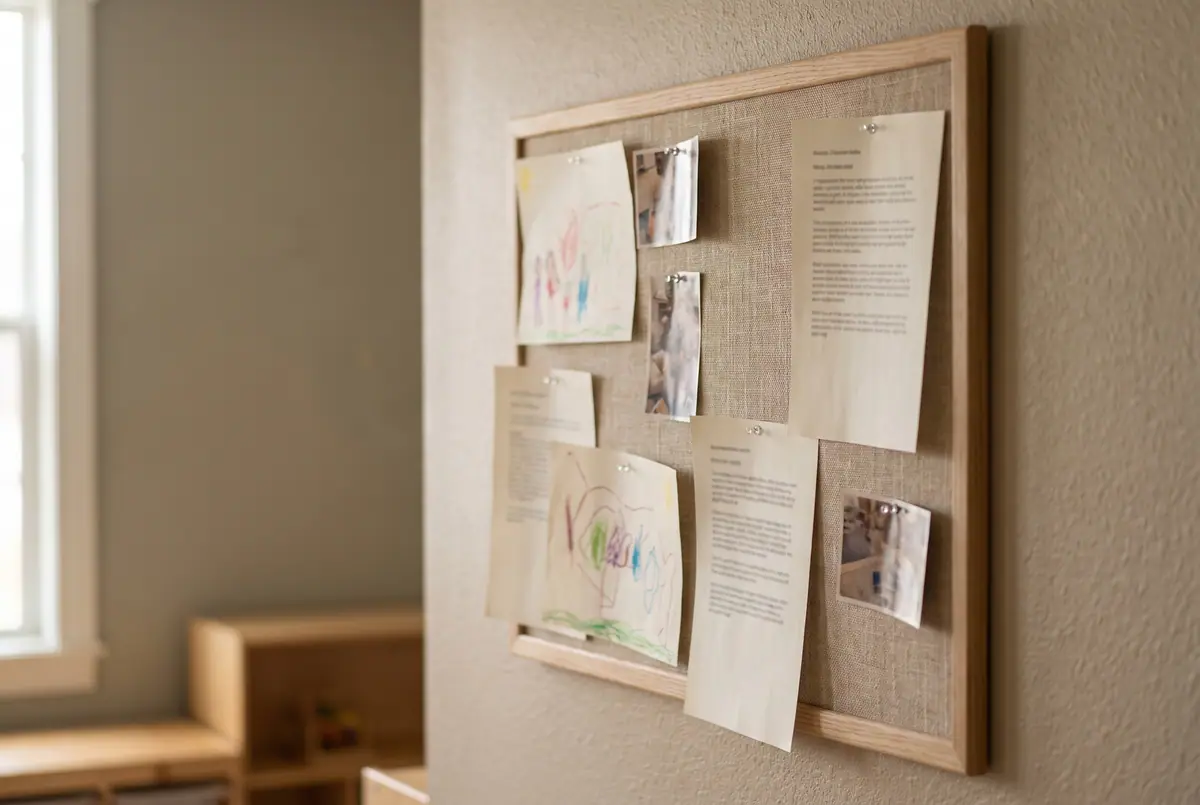
Photographs, verbatim transcripts and drawings, put on the wall at child height as well as adult height. It is how children revisit and revise their own thinking, and how you find out what your child actually did.
- 06
Educators research alongside
The educator’s job is not to deliver content. It is to notice, provoke, and write down what happened — then meet weekly with colleagues to work out what it means and what to offer next.
How this differs from Montessori and from play-based
All three are serious approaches with real evidence behind them. They are genuinely different, and a centre that claims all three is claiming none of them.
| Reggio-inspired (us) | Montessori | Play-based | |
|---|---|---|---|
| Materials | Open-ended, no correct outcome. Clay, wire, light, found objects. | Sequenced and self-correcting. Each material teaches one concept and shows its own error. | Mixed — often themed centres, blocks, dramatic play, sensory trays. |
| Grouping | Mostly small groups. Thinking is treated as social. | Mostly individual work on a chosen material, uninterrupted. | Free flow between individual and group. |
| Who sets direction | The children’s question, followed for weeks. | The child chooses within a sequence the guide has prepared. | The child chooses among what is set out that day. |
| The adult’s role | Co-researcher. Notices, provokes, documents. | Guide. Presents a material, then withdraws. | Facilitator. Sets up, supports, extends. |
| Record of learning | Documentation panels — photographs, transcripts, drawings, on the wall. | Progress through the material sequence, recorded by the guide. | Observations and learning stories, usually in an app. |
| Where it can go wrong | Becomes a nice room with wooden toys and no documentation behind it. | Becomes rigid, and treats a child’s interest as a distraction. | Becomes unplanned — free play with no adult thinking underneath it. |
We think the honest way to describe our own risk is the first cell in that last row, and it is what our weekly educator meetings and our documentation practice exist to prevent.
Nine weeks on shadows
It started on a Tuesday in March when a child in Preschool noticed that the maple's shadow had moved between morning and lunch and told an educator she had been tricked.
- Week one. Chalk outlines of the shadow at 9am, 11am and 2pm. Argument about whether it was the same shadow.
- Weeks two and three. Shadows brought indoors: an overhead projector, hands, objects, each other. Drawings of what a shadow is made of. One child's theory: shadows are made of cold.
- Week four. The cold theory tested with a thermometer, which was the atelierista's suggestion and the only adult idea in the whole project. It was wrong, and it took a week to accept.
- Weeks five to seven. A shadow theatre, built from cardboard and a bedsheet, which failed twice for reasons the group had to diagnose.
- Weeks eight and nine. A performance for the Twos room, then a wall of documentation the children arranged themselves.
Nothing about that was on a plan in February. What was on the plan was two hours a day, uninterrupted, in a room with the materials to follow a question — which is the only thing you can actually plan.
Come and look at the walls
The fastest way to tell a Reggio-inspired school from a room with wooden toys in it is to read the documentation. Bring twenty minutes and we will walk you through a panel.